
Pinhole Surgery
Repair Receding Gums
Restore Your Gumline With Pinhole Surgery in Lafayette
Receding gums can make your teeth appear longer and expose sensitive root surfaces. Without proper care, recession may contribute to discomfort and other oral health concerns. Pinhole surgery in Lafayette is a minimally invasive treatment that repositions existing gum tissue to cover exposed tooth roots.
Dr. Keene uses the Chao Pinhole Surgical Technique as an alternative to traditional gum grafting. This approach helps you protect your teeth and improve the appearance of your gumline. You avoid large incisions or the need to use donor tissue, both of which are commonly associated with conventional grafting. Still feeling nervous? We have sedation available to keep you relaxed.
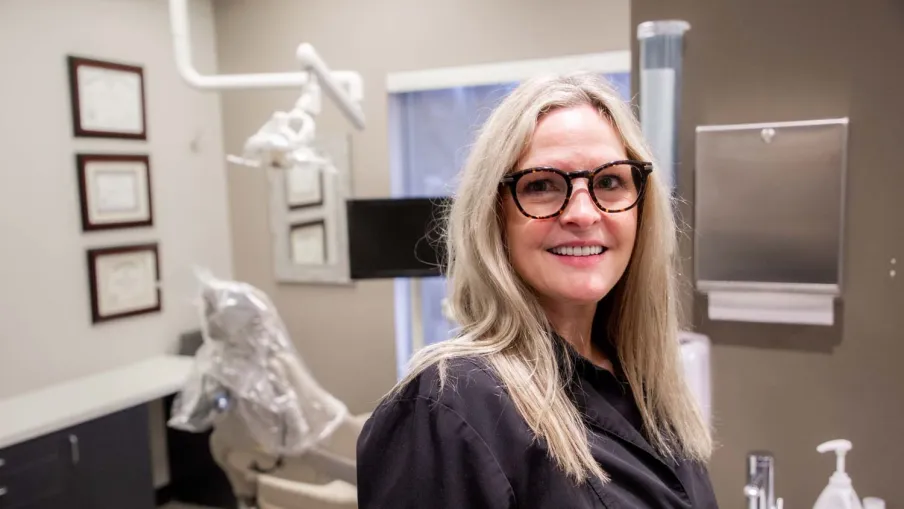
Save Your Smile With a Gentle Gum Repair
Gum recession exposes the roots of your teeth. Over time, that can lead to sensitivity, root decay, and even loose teeth. Pinhole surgery restores coverage using your own tissue. It offers a less invasive way to protect your smile and improve the appearance of your gumline.
No Donor Tissue
We reposition your existing gum tissue. No need to use donor tissue or tissue from your mouth.
Root Protection
Restored gum coverage helps shield vulnerable roots from decay and further damage.
Less Sensitivity
Covering exposed roots helps calm the sharp sensitivity that hot and cold foods can cause.
No Stitches
A tiny entry point means there are no sutures to manage while you heal.
Multiple Areas at Once
Several areas of gum recession can often be treated in one appointment.
Healthier Look
Your own tissue blends with the rest of your gumline for an even look.
Find Out What Happens During Pinhole Gum Treatment
Every treatment begins with a careful exam. Dr. Keene measures your gum recession, checks for active gum disease, and looks at your bite. Grinding or a misaligned bite can contribute to recession. Addressing the cause helps your results last. If you're a good candidate, here's what treatment involves:
- Comfort First - We numb the area thoroughly before we begin. If you feel nervous, you can choose laughing gas, oral sedation, or IV sedation.
- A Small Entry Point - Your dentist makes a tiny opening in the gum tissue near the treatment area. This replaces the large incisions used in grafting.
- Gentle Repositioning - Special instruments loosen the gum tissue and guide it over the exposed roots. The tissue slides into place without cutting.
- Collagen Support - Small collagen strips are placed beneath the gums to help hold them in position. This supports stable healing.
- Easy Aftercare - You'll get simple instructions for eating and cleaning while you heal. A follow-up visit confirms everything looks healthy.
During your visit, you can unwind in a private care room with Bose noise-canceling headphones and a cozy blanket.
Want to repair receding gums without a graft? Schedule your consultation for pinhole surgery in Lafayette.
Frequently Asked Questions About Pinhole Surgery
Q
Is pinhole surgery better than a gum graft?
Whether pinhole surgery is better than a gum graft depends on your gums. Pinhole treatment avoids incisions, stitches, and donor tissue, which usually means a gentler recovery. Some cases with very thin tissue may still benefit from grafting. Your dentist can explain which approach suits your needs best.
Q
How long do pinhole surgery results last?
Pinhole surgery results can last for many years with good care. Brushing gently with a soft toothbrush, flossing daily, and keeping regular cleanings all help. Addressing causes like teeth grinding or brushing too hard also protects the repaired gums from receding again.
Q
What is recovery like after pinhole surgery?
Recovery after pinhole surgery is usually quick and comfortable. You may notice mild swelling or tenderness for a few days. You'll eat soft foods briefly and avoid brushing the treated area until your dentist says it's okay. Most people return to normal activities quickly.
Q What causes gum recession?
Gum recession can be caused by gum disease, brushing too hard, teeth grinding, genetics, or a misaligned bite. Tobacco use can also play a role. Finding the cause matters, because treating it protects your gums after repair and lowers the chance of recession coming back.
Q Am I a good candidate for pinhole surgery?
Good candidates for pinhole surgery have mild-to-moderate gum recession and otherwise healthy gums. Active gum disease needs treatment first. Your dentist will also check the thickness of your gum tissue, since very thin tissue may respond better to grafting. An exam determines your best option.
Q Does pinhole surgery hurt?
Pinhole surgery is usually very comfortable because the area is thoroughly numbed beforehand. You may feel light pressure as the tissue moves, but not sharp pain. Afterward, most people notice mild tenderness that over-the-counter pain relievers manage well. Sedation is available if you feel anxious.
Q Can gums grow back on their own?
Gums can't grow back on their own once they recede. Good home care can prevent the recession from worsening, but it won't restore lost tissue. Treatments such as pinhole surgery or gum grafting are needed to cover exposed roots and restore a healthy gumline.
Q How much does pinhole surgery cost?
The cost of pinhole surgery depends on how many teeth need treatment and how much recession you have. Treating several teeth in one visit is often more efficient than separate procedures. Your dentist will give you a clear estimate and explain insurance benefits and payment options before treatment.